
Portal web del Ayuntamiento de Jerez de la Frontera





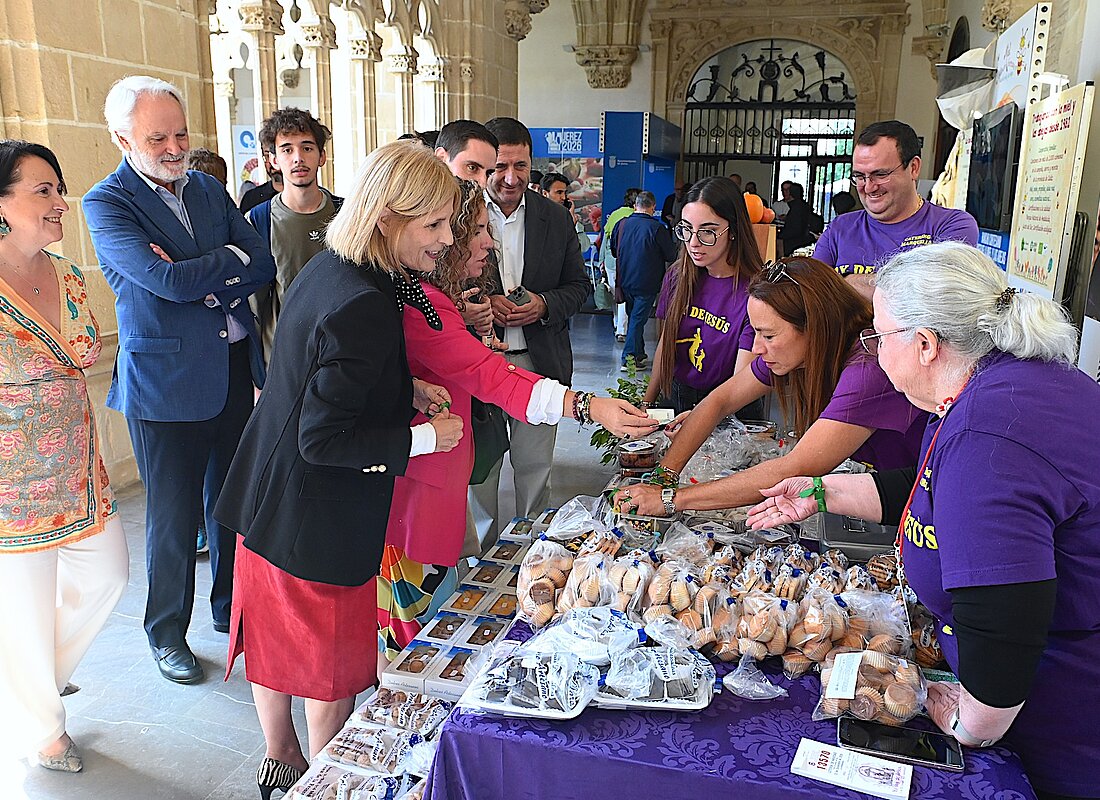
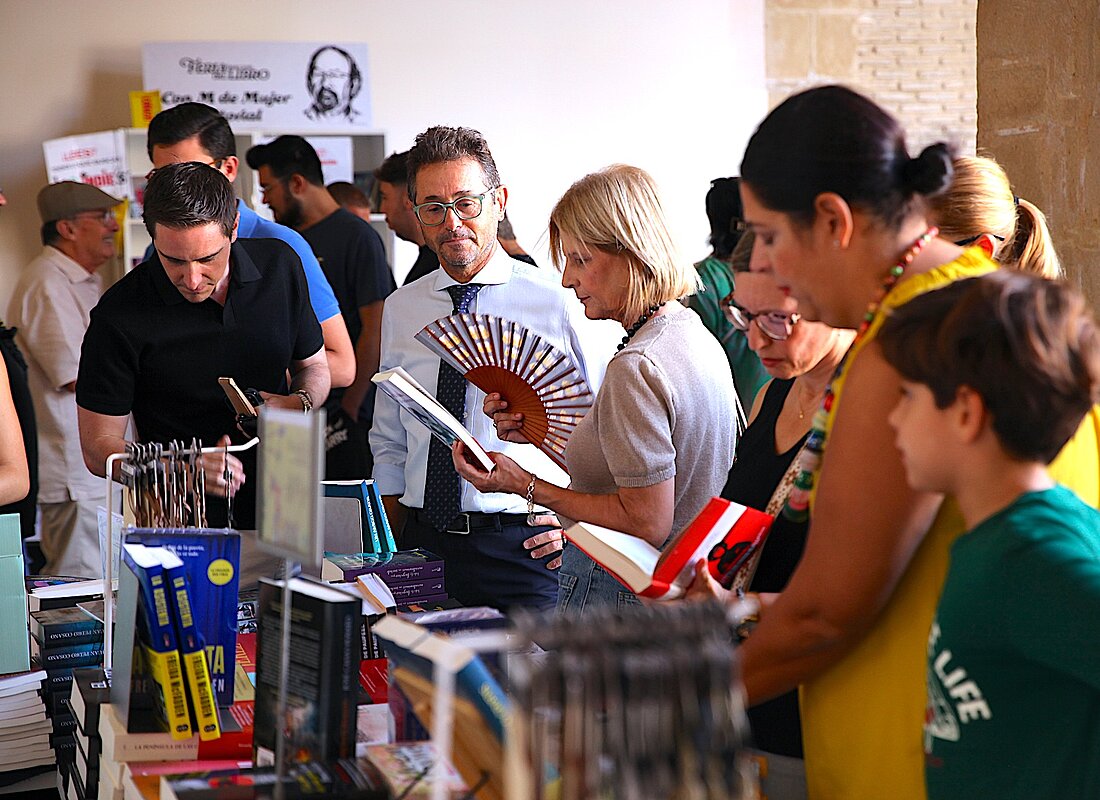
El evento se celebrará hasta el domingo con el aumento de empresas participantes, que son 44, y del número de ‘stands’, que pasa de 27 a 32
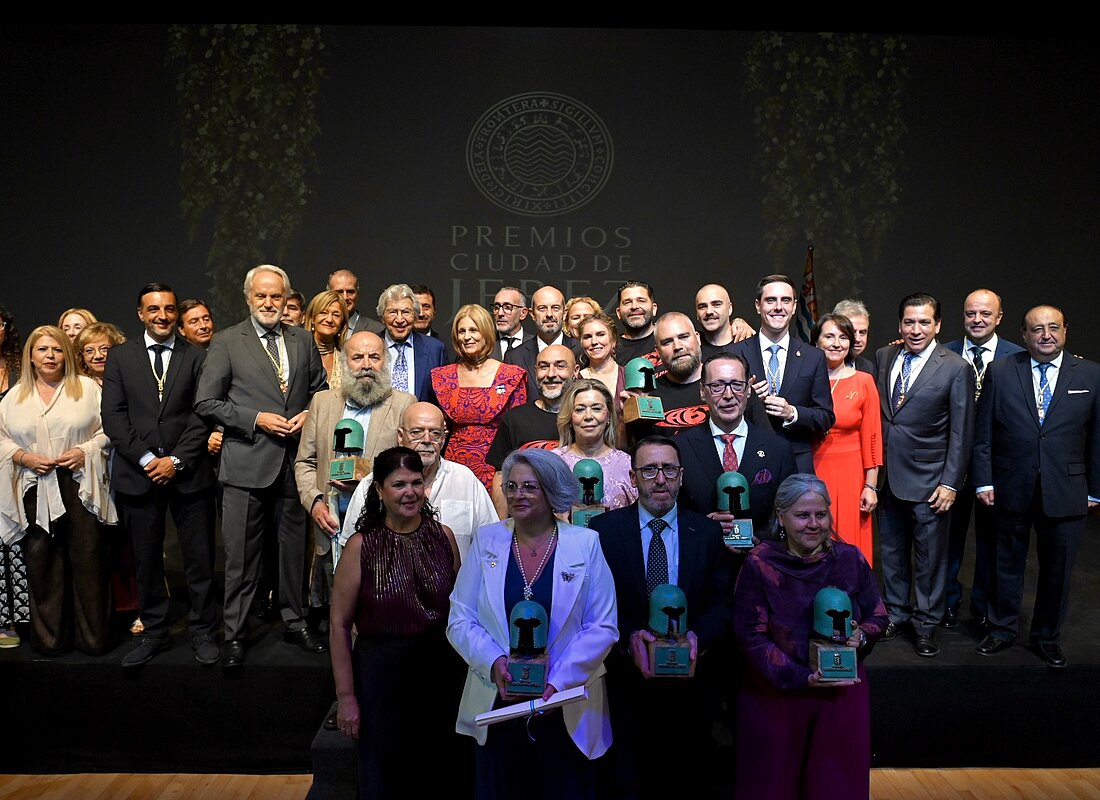
El compositor Manuel Alejandro ha recibido el Premio Especial 25 Aniversario emocionando al público en el día que se ha estrenado la letra del himno…
La alcaldesa, Mª José García-Pelayo destaca el crecimiento de una programación que ha ampliado públicos y espacios de participación, con una apuesta…

Ayuntamiento



DISH DECORATED IN MANGANESE
Modern Age
DISH DECORATED IN MANGANESE
Painted pottery.
Maximum diameter: 35 cm. Height: 5 cm. Base diameter: 19.5 cm.
Modern Age. First half of the 18th century.
Origin
Calle Taxdirt 5. Jerez de la Frontera. Cádiz.
Description
Dish decorated in manganese on white base, creating motifs in reserve. The central symbol depicts a bird among bunches of flowers, framed in a square. Large flowers emerge from the sides and the four angles. These are crowned with double acanthus leaves. The reverse is covered with a thick white glaze. It was possibly manufactured in pottery workshops in Seville. In this century, painters of Seville pottery knew how to amalgamate all the composite patterns from ceramics and porcelains from Genoa, Holland and Japan. These filled the national markets. In this way they managed to make products of high technical quality, with some unique characteristics that were completely different to the original models.
Bibliography
- Unknown

DISH DECORATED IN MANGANESE
Modern Age
DISH DECORATED IN MANGANESE
Painted pottery.
Maximum diameter: 35 cm. Height: 5 cm. Base diameter: 19.5 cm.
Modern Age. First half of the 18th century.
Origin
Calle Taxdirt 5. Jerez de la Frontera. Cádiz.
Description
Dish decorated in manganese on white base, creating motifs in reserve. The central symbol depicts a bird among bunches of flowers, framed in a square. Large flowers emerge from the sides and the four angles. These are crowned with double acanthus leaves. The reverse is covered with a thick white glaze. It was possibly manufactured in pottery workshops in Seville. In this century, painters of Seville pottery knew how to amalgamate all the composite patterns from ceramics and porcelains from Genoa, Holland and Japan. These filled the national markets. In this way they managed to make products of high technical quality, with some unique characteristics that were completely different to the original models.
Bibliography
- Unknown
Ocio en la ciudad
DISH DECORATED IN MANGANESE
Modern Age
DISH DECORATED IN MANGANESE
Painted pottery.
Maximum diameter: 35 cm. Height: 5 cm. Base diameter: 19.5 cm.
Modern Age. First half of the 18th century.
Origin
Calle Taxdirt 5. Jerez de la Frontera. Cádiz.
Description
Dish decorated in manganese on white base, creating motifs in reserve. The central symbol depicts a bird among bunches of flowers, framed in a square. Large flowers emerge from the sides and the four angles. These are crowned with double acanthus leaves. The reverse is covered with a thick white glaze. It was possibly manufactured in pottery workshops in Seville. In this century, painters of Seville pottery knew how to amalgamate all the composite patterns from ceramics and porcelains from Genoa, Holland and Japan. These filled the national markets. In this way they managed to make products of high technical quality, with some unique characteristics that were completely different to the original models.
Bibliography
- Unknown
DISH DECORATED IN MANGANESE
Modern Age
DISH DECORATED IN MANGANESE
Painted pottery.
Maximum diameter: 35 cm. Height: 5 cm. Base diameter: 19.5 cm.
Modern Age. First half of the 18th century.
Origin
Calle Taxdirt 5. Jerez de la Frontera. Cádiz.
Description
Dish decorated in manganese on white base, creating motifs in reserve. The central symbol depicts a bird among bunches of flowers, framed in a square. Large flowers emerge from the sides and the four angles. These are crowned with double acanthus leaves. The reverse is covered with a thick white glaze. It was possibly manufactured in pottery workshops in Seville. In this century, painters of Seville pottery knew how to amalgamate all the composite patterns from ceramics and porcelains from Genoa, Holland and Japan. These filled the national markets. In this way they managed to make products of high technical quality, with some unique characteristics that were completely different to the original models.
Bibliography
- Unknown