
Portal web del Ayuntamiento de Jerez de la Frontera
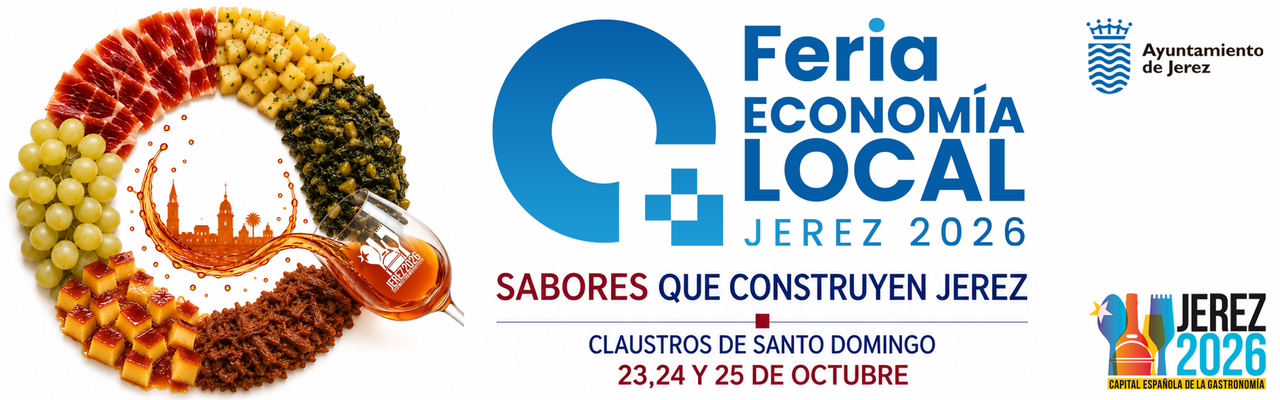



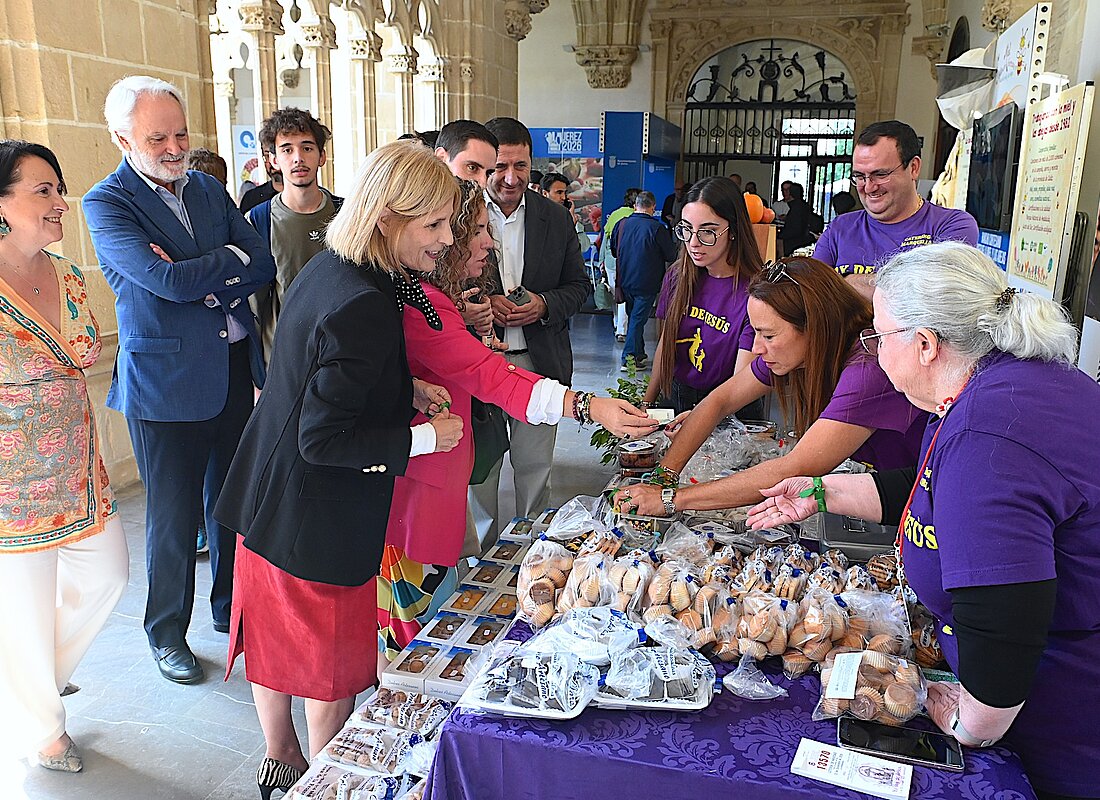
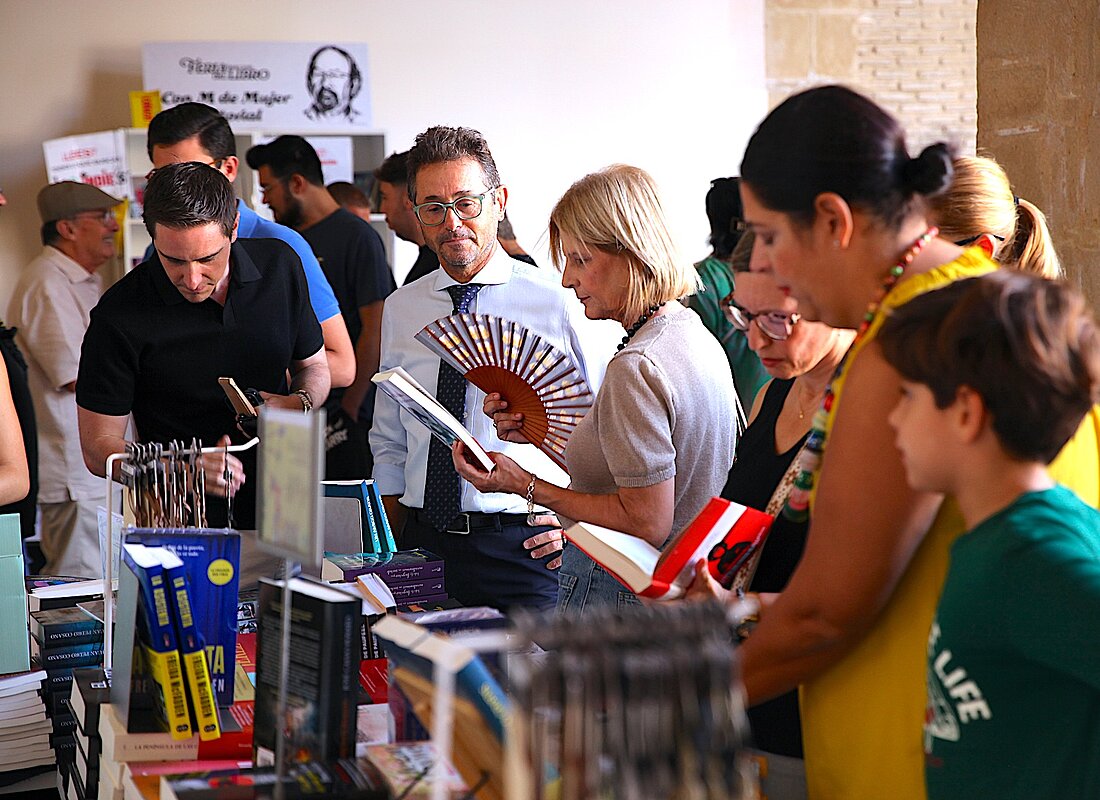
El evento se celebrará hasta el domingo con el aumento de empresas participantes, que son 44, y del número de ‘stands’, que pasa de 27 a 32
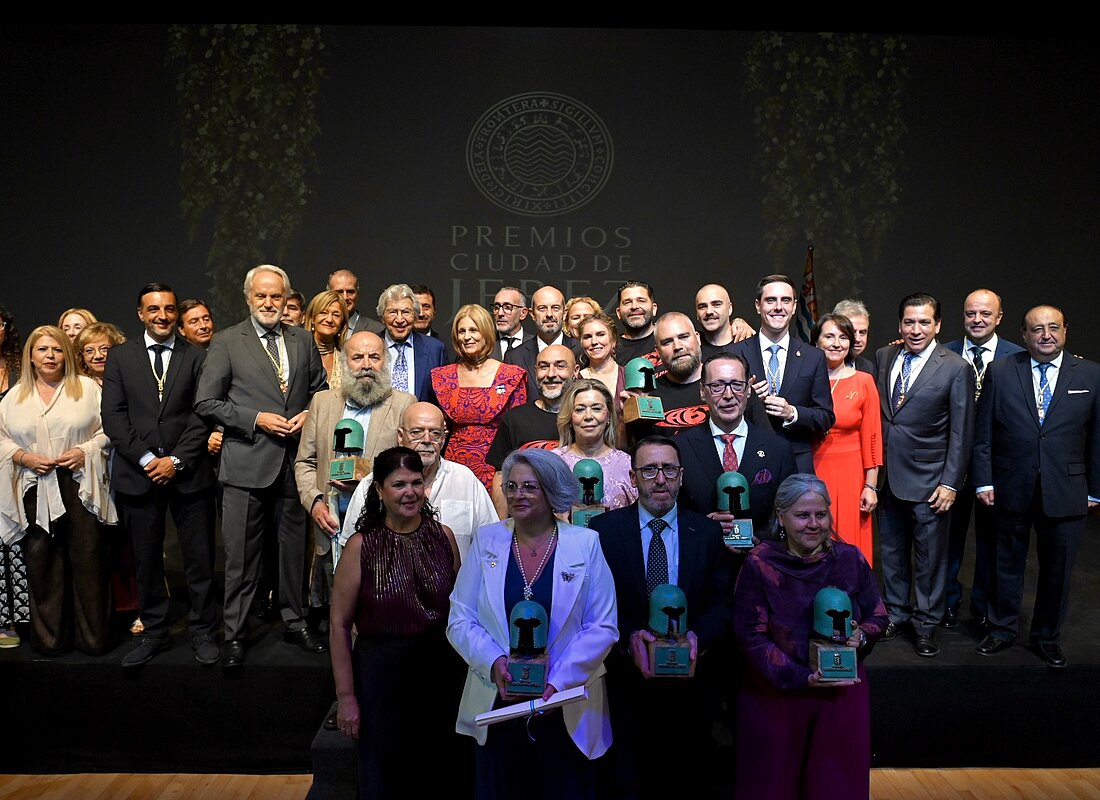
El compositor Manuel Alejandro ha recibido el Premio Especial 25 Aniversario emocionando al público en el día que se ha estrenado la letra del himno…
La alcaldesa, Mª José García-Pelayo destaca el crecimiento de una programación que ha ampliado públicos y espacios de participación, con una apuesta…
Ayuntamiento



MEDIEVAL GLASS FRUIT BOWL
Christian Middle Ages
MEDIEVAL GLASS FRUIT BOWL
Glass blown in a mould.
Diameter: 31.9 cm. Height: 5.6 cm. Base diameter: 11.8 cm.
Late Medieval Christian. 15th century.
Origin
Calle Manuel María González 4. Jerez de la Frontera. Cádiz.
Description
Fruit bowl or platter with shallow dish. Made from amber glass and decorated by mould on the other side, forming a "honeycomb" pattern. This piece was used to present food, although it could also have been used as a purely decorative object. A relatively homogenous collection of glassware from this period was recovered from the excavation site. They have been able to reconstruct fifteen complete pieces, including platters, bowls, glasses and bottles of different styles and decoration. A large number of incomplete vessels were also recovered. In total, this is one of the most important collections of medieval glass found in Andalusia to date.
Bibliography
- González Rodríguez, R. et alii. (2008): Carta Arqueológica Municipal de Jerez.1: El núcleo urbano. Junta de Andalucía, p.85.

MEDIEVAL GLASS FRUIT BOWL
Christian Middle Ages
MEDIEVAL GLASS FRUIT BOWL
Glass blown in a mould.
Diameter: 31.9 cm. Height: 5.6 cm. Base diameter: 11.8 cm.
Late Medieval Christian. 15th century.
Origin
Calle Manuel María González 4. Jerez de la Frontera. Cádiz.
Description
Fruit bowl or platter with shallow dish. Made from amber glass and decorated by mould on the other side, forming a "honeycomb" pattern. This piece was used to present food, although it could also have been used as a purely decorative object. A relatively homogenous collection of glassware from this period was recovered from the excavation site. They have been able to reconstruct fifteen complete pieces, including platters, bowls, glasses and bottles of different styles and decoration. A large number of incomplete vessels were also recovered. In total, this is one of the most important collections of medieval glass found in Andalusia to date.
Bibliography
- González Rodríguez, R. et alii. (2008): Carta Arqueológica Municipal de Jerez.1: El núcleo urbano. Junta de Andalucía, p.85.
Ocio en la ciudad
MEDIEVAL GLASS FRUIT BOWL
Christian Middle Ages
MEDIEVAL GLASS FRUIT BOWL
Glass blown in a mould.
Diameter: 31.9 cm. Height: 5.6 cm. Base diameter: 11.8 cm.
Late Medieval Christian. 15th century.
Origin
Calle Manuel María González 4. Jerez de la Frontera. Cádiz.
Description
Fruit bowl or platter with shallow dish. Made from amber glass and decorated by mould on the other side, forming a "honeycomb" pattern. This piece was used to present food, although it could also have been used as a purely decorative object. A relatively homogenous collection of glassware from this period was recovered from the excavation site. They have been able to reconstruct fifteen complete pieces, including platters, bowls, glasses and bottles of different styles and decoration. A large number of incomplete vessels were also recovered. In total, this is one of the most important collections of medieval glass found in Andalusia to date.
Bibliography
- González Rodríguez, R. et alii. (2008): Carta Arqueológica Municipal de Jerez.1: El núcleo urbano. Junta de Andalucía, p.85.
MEDIEVAL GLASS FRUIT BOWL
Christian Middle Ages
MEDIEVAL GLASS FRUIT BOWL
Glass blown in a mould.
Diameter: 31.9 cm. Height: 5.6 cm. Base diameter: 11.8 cm.
Late Medieval Christian. 15th century.
Origin
Calle Manuel María González 4. Jerez de la Frontera. Cádiz.
Description
Fruit bowl or platter with shallow dish. Made from amber glass and decorated by mould on the other side, forming a "honeycomb" pattern. This piece was used to present food, although it could also have been used as a purely decorative object. A relatively homogenous collection of glassware from this period was recovered from the excavation site. They have been able to reconstruct fifteen complete pieces, including platters, bowls, glasses and bottles of different styles and decoration. A large number of incomplete vessels were also recovered. In total, this is one of the most important collections of medieval glass found in Andalusia to date.
Bibliography
- González Rodríguez, R. et alii. (2008): Carta Arqueológica Municipal de Jerez.1: El núcleo urbano. Junta de Andalucía, p.85.